 #1
Aikyaa Consultancy Services LLP
5.0(5)on Google
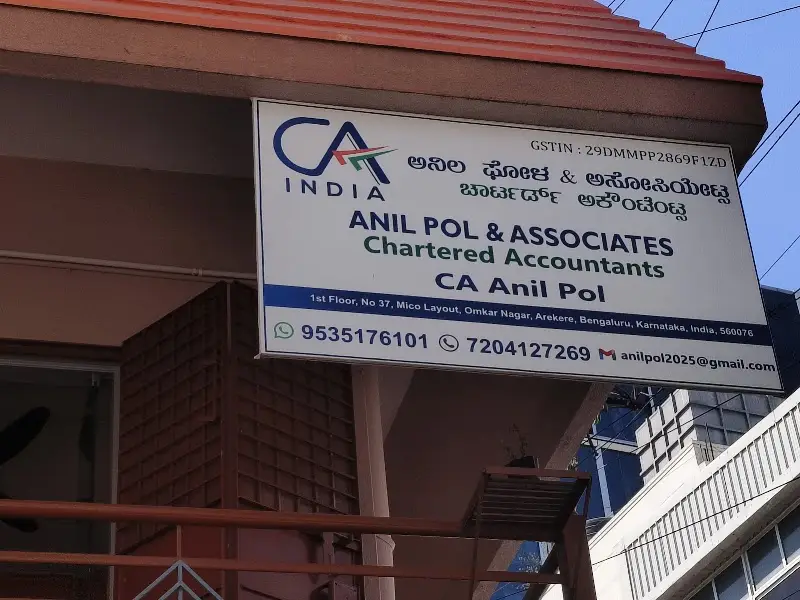
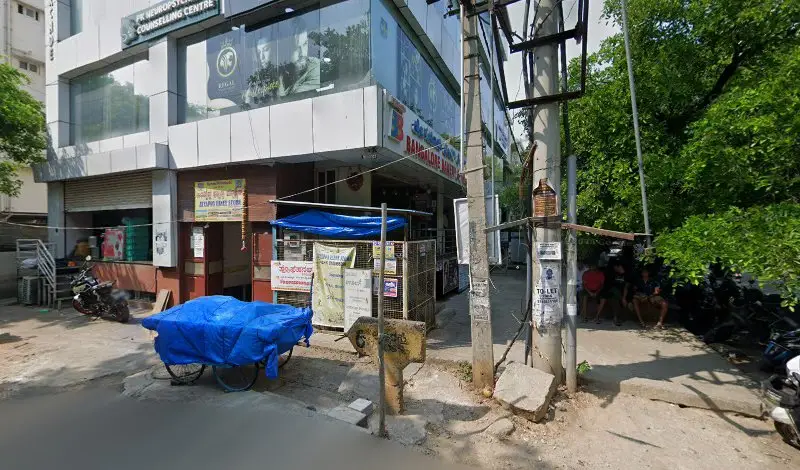
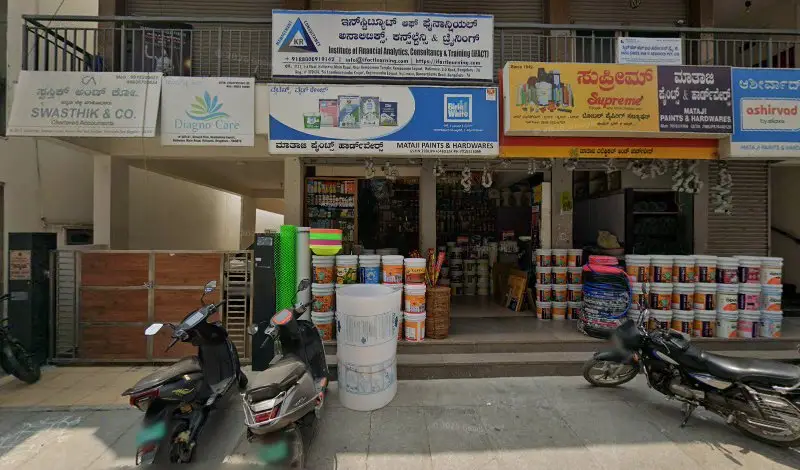
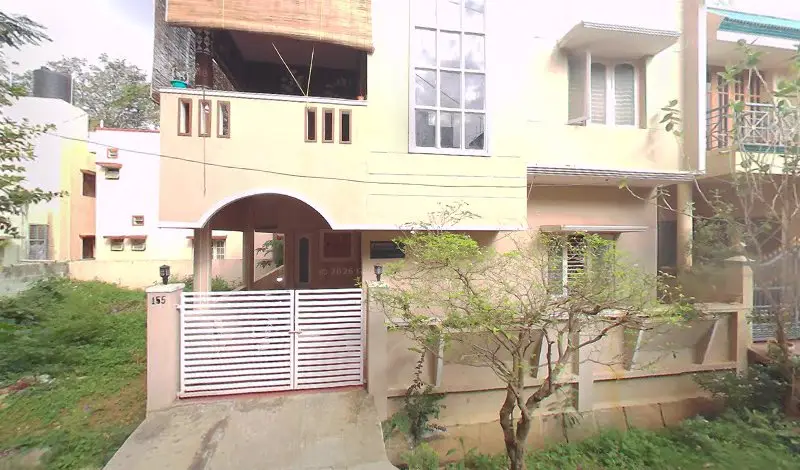
CA, tax & accounting · ArekereCreate Campus, 11KM, Arakere Bannerghatta Rd, Omkar Nagar, Arekere, Bengaluru, Karnataka 560076, India
Aikyaa Consultancy Services LLP is an accounting firm in Arekere, Bengaluru, Karnataka. It is located at Create Campus on Arakere Bannerghatta Road, Omkar Nagar. The office is open Monday to Saturday, from 9.30 am to 7.00 pm, and is closed on Sundays. The nearest metro station to Arekere is Yelachenahalli on the Green Line, about 3 km away.