 #1
Study abroad Consultants Bangalore
Study Abroad Consultant · Vijayanagar
45, UN Arcade, 1st floor, 17th cross, MC Layout, Vijayanagar, Bangaluru, Karnataka, Pin 560040, Bengaluru, Karnataka 560040, India
- Admission Guidance
- Counseling Service
- Country & University Selection
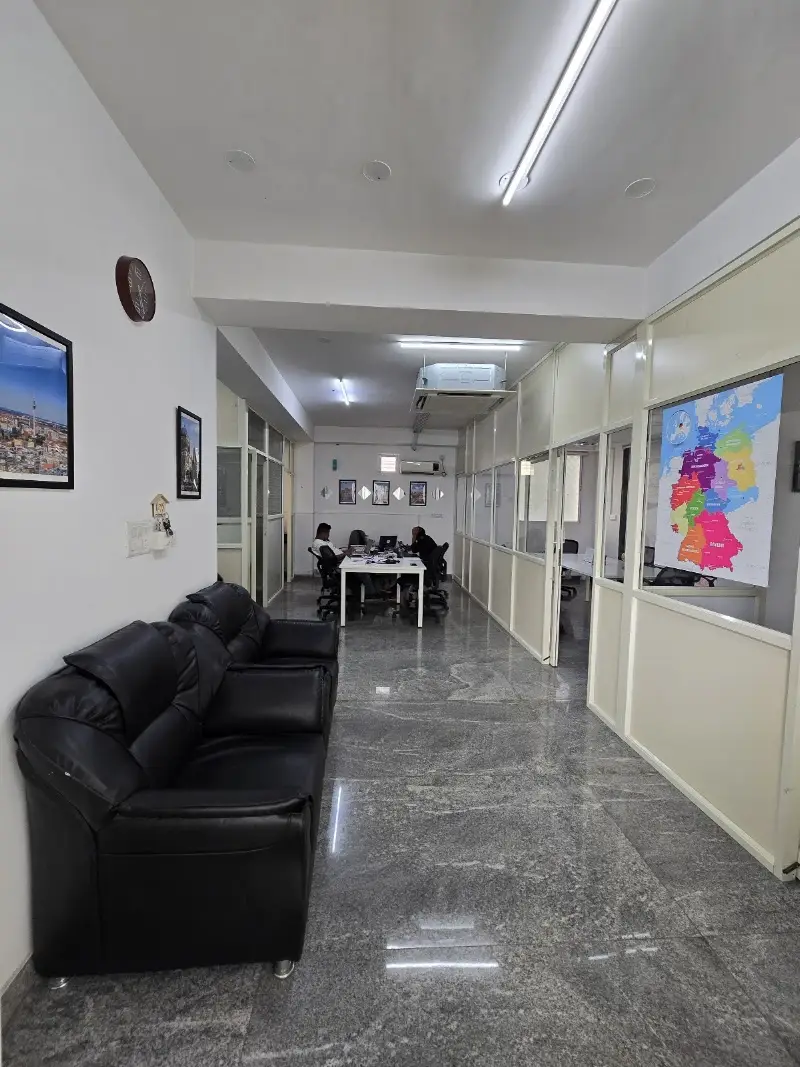
Study abroad Consultants Bangalore is an educational consultant in Vijayanagar, Bengaluru. Its address is 45, UN Arcade, 1st floor, 17th cross, MC Layout, Vijayanagar. It is open Monday to Saturday from 9 AM to 9 PM and on Sundays from 11:30 AM to 8:30 PM. According to its website, the business is IITE Student Consultancy. It guides Indian students towards study at universities abroad. It offers admission guidance…