#1

POLYGLOT Study Abroad | German French Spanish Italian | IELTS PTE | SAT | IB IGCSE
5.0(4)on Google
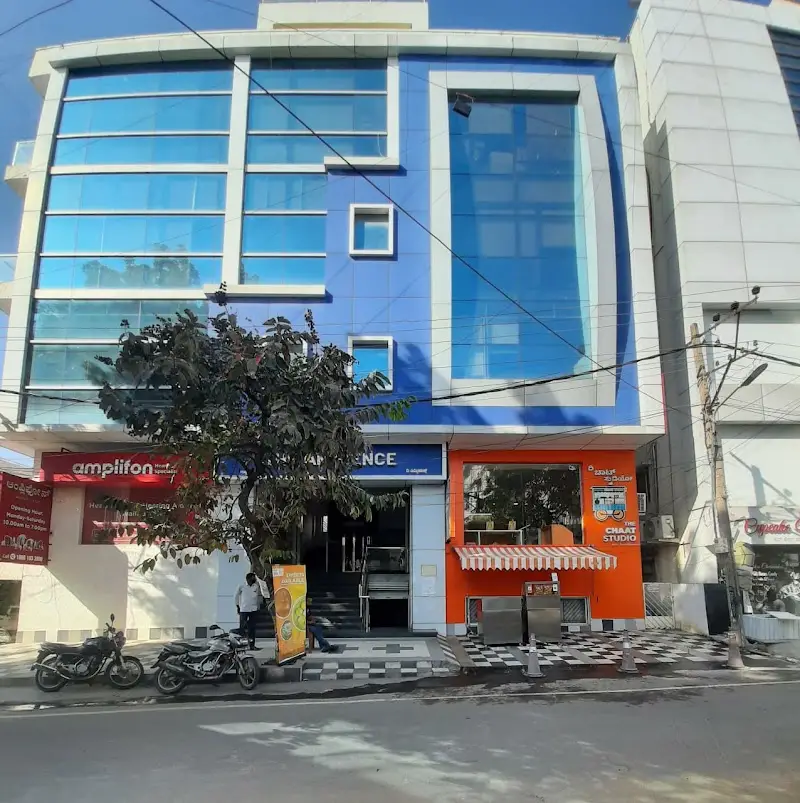
Study Abroad Consultant · KoramangalaKoramangala 1A Block, Koramangala 3 Block, Koramangala, Bengaluru, Karnataka 560034
- Admissions counselling
- Study abroad counselling
- SAT Classes
POLYGLOT Study Abroad | German French Spanish Italian | IELTS PTE | SAT | IB IGCSE is an educational consultant in Koramangala, Bengaluru. According to its website, it offers admissions counselling for undergraduate and postgraduate courses, including medicine and law. It places students in universities in the US, Canada, the UK, Ireland and Europe, and in business schools such as HEC, INSEAD, Chicago Booth and MIT…